Salivary Gland Swelling During Meals: What Could Be Causing It?
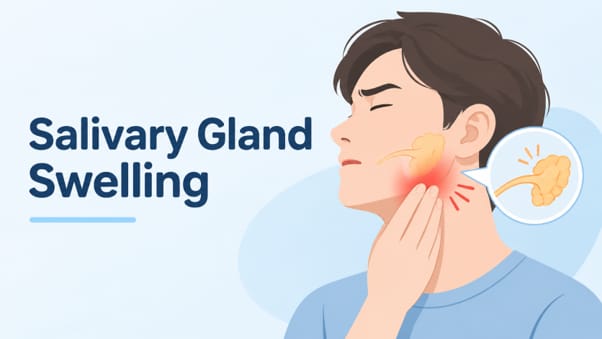
Salivary Gland Swelling During Meals - What Could Be Causing It

Introduction: Understanding Salivary Gland Swelling During Meals

Have you ever noticed swelling beneath your jaw or around your cheeks while eating? The swelling may feel uncomfortable or painful, particularly when chewing, before gradually settling after your meal.

This can happen when saliva cannot flow normally from the salivary glands into the mouth. Although salivary gland stones are a common reason for meal-related swelling, infections, inflammation, and narrowed saliva ducts may also be responsible.

Understanding why the swelling occurs can help you recognise when medical assessment may be necessary.

Why Do Salivary Glands Swell During Meals?

Salivary glands produce saliva, which helps moisten food, supports swallowing, and begins the digestion process. The main salivary glands are located beneath the jaw, under the tongue, and near the ears.

When you eat, your body naturally increases saliva production. The saliva travels through small tubes, called ducts, before entering your mouth.

However, if a duct becomes blocked or narrowed, saliva may struggle to flow freely. As more saliva is produced during meals, pressure can build up inside the affected gland, causing swelling or discomfort.

The swelling may become noticeable shortly before or during eating and gradually reduce afterwards.

This repeated pattern of swelling during meals can be an important clue that something is affecting normal saliva drainage.

What Causes Salivary Gland Swelling During Meals?

What Causes Salivary Gland Swelling During Meals

Several conditions can affect saliva production or drainage. The following are some possible causes of swelling that develops or becomes more noticeable when eating.

1. Salivary Gland Stones

Sialolithiasis (Salivary gland stones), are hardened mineral deposits that develop inside a salivary gland or its drainage duct.

These stones can partially or completely block the movement of saliva into the mouth.

When saliva production increases during meals, the blockage may cause pressure to build up behind the stone, resulting in pain and swelling.

Salivary gland stones most commonly affect the glands beneath the lower jaw, although they can occur in other salivary glands.

Some people experience repeated episodes of swelling that settle after eating. Others may develop more persistent discomfort if the blockage remains.

The exact reason stones form is not always clear. Reduced saliva flow and dehydration may contribute in some cases.

2. Narrowing of the Salivary Duct

Salivary gland swelling can also develop when a saliva duct becomes unusually narrow. This narrowing may result from previous inflammation, scarring, or other changes affecting the duct.

Even without a stone, a narrowed duct may restrict saliva drainage, particularly when the glands produce more saliva during meals.

The symptoms can resemble those caused by salivary stones, including recurring swelling, pressure, and discomfort around the affected gland.

3. Salivary Gland Infection or Inflammation

Salivary glands can become inflamed or infected, sometimes because saliva is not draining properly.

When saliva remains trapped, bacteria may multiply and contribute to an infection.

An affected gland may become swollen, tender, and painful. Some people also develop fever, redness, or an unpleasant taste caused by discharge into the mouth.

However, not all salivary gland infections are caused by bacteria. Identifying the underlying cause is important because antibiotics are not necessary for every case.

4. Other Salivary Gland Conditions

Less commonly, salivary gland swelling may be associated with conditions affecting saliva production or gland tissue.

For example, Sjögren’s syndrome is an autoimmune condition that can cause dry mouth and swelling of the salivary glands.

Growths within a salivary gland may also cause swelling or a persistent lump, although these are less likely to produce the typical pattern of swelling that repeatedly appears during meals.

A medical examination helps distinguish these conditions from a blocked salivary duct.

What Symptoms May Accompany Salivary Gland Swelling?

The symptoms of salivary gland swelling depend on which gland is affected and the underlying cause.

Common signs include:

  • Swelling beneath the jaw or near the ears: The affected gland may become visibly enlarged during meals.
  • Pain or pressure when eating: Discomfort may increase as saliva production rises.
  • Repeated swelling: The gland may swell during meals and gradually return to its usual size afterwards.
  • Tenderness: The swollen area may feel sensitive when touched.
  • Dry mouth: Reduced saliva flow may leave the mouth feeling unusually dry.
  • Unpleasant taste or discharge: This may occur when an infection affects the gland.

Some people experience swelling without significant pain, particularly when the blockage is incomplete.

The absence of pain does not necessarily mean that no underlying problem exists.

When Should You Seek Medical Attention for Salivary Gland Swelling?

When Should You Seek Medical Attention for Salivary Gland Swelling

Occasional mild discomfort may settle without intervention. However, swelling that repeatedly develops during meals deserves medical attention, particularly if it becomes more frequent.

Consider arranging a medical assessment if:

  • Swelling repeatedly occurs when eating.
  • Pain becomes increasingly uncomfortable.
  • The swelling does not disappear after meals.
  • A persistent lump develops beneath the jaw or near the ear.
  • You experience fever, increasing redness, or tenderness.
  • Pus or an unpleasant discharge appears inside the mouth.
  • Swelling begins to interfere with eating or swallowing.

A GP can provide an initial assessment and recommend specialist evaluation when needed.

Seek urgent medical attention if swelling rapidly worsens, particularly when accompanied by significant difficulty swallowing, breathing difficulties, or severe symptoms of infection.

Early assessment may help identify an obstruction or infection before further complications develop.

How Is Salivary Gland Swelling Diagnosed?

Diagnosing salivary gland swelling usually begins with understanding the symptoms and examining the affected area.

Medical History and Physical Examination

A doctor may ask when the swelling occurs, whether it is associated with meals, and how long it usually lasts.

The examination may involve checking beneath the jaw, around the cheeks and inside the mouth for swelling, tenderness or visible stones.

The doctor may also look for signs of infection or reduced saliva flow.

Imaging and Further Investigations

Additional investigations may be recommended when the cause is unclear. An ultrasound scan can help identify certain stones, gland swelling, or other abnormalities.

A CT scan may be useful when more detailed images are needed, particularly if a stone is difficult to locate.

In selected cases, a procedure called sialendoscopy may be considered. This involves passing a very small camera through the salivary duct to examine its interior and, in some cases, treat a blockage.

Not everyone requires imaging or specialist procedures. The investigations depend on the examination findings and suspected cause.

How Is Salivary Gland Swelling During Meals Treated?

Treatment depends on whether the swelling is caused by a stone, narrowed duct, infection, or another salivary gland condition.

Conservative Treatment for Mild Symptoms

For selected mild cases, a doctor may recommend measures that support saliva flow and relieve discomfort.

These may include:

  • Drinking sufficient water throughout the day.
  • Applying a warm compress to the affected area.
  • Gently massaging the gland when medically appropriate.
  • Using suitable saliva-stimulating methods when recommended.

These measures may relieve some symptoms, but they cannot reliably remove every blockage.

Avoid attempting to remove a suspected stone using sharp objects, as this can injure the mouth or cause infection.

Treating Salivary Gland Infections

If a bacterial infection is diagnosed or strongly suspected, antibiotics may be prescribed. Pain relief and supportive care may also help manage discomfort.

When an infection develops because of an underlying blockage, addressing the obstruction may be necessary to reduce recurring problems.

Removing Salivary Stones or Treating Blocked Ducts

Stones located near the opening of a salivary duct may sometimes be removed through the mouth.

For certain stones or narrowed ducts, sialendoscopy may allow the doctor to examine and treat the affected area using small instruments.

Larger or deeply positioned stones may require other procedures or surgery. The most suitable treatment depends on the stone’s size, location, the affected gland, and the patient’s overall condition.

Can Salivary Gland Swelling During Meals Be Prevented?

Not every salivary gland problem can be prevented, particularly when the cause involves stones or structural changes within the ducts.

However, several everyday habits may support healthy saliva production.

  • Staying adequately hydrated is important, especially in Singapore’s warm and humid climate, where fluid loss through sweating can be greater.
  • Maintaining good oral hygiene may also help reduce problems associated with bacteria in the mouth.
  • If you experience persistent dry mouth, discuss it with a healthcare professional. Certain medications and medical conditions can reduce saliva production.
  • Repeated swelling during meals should still be assessed rather than managed through preventive measures alone.

Conclusion: Understanding Salivary Gland Swelling During Meals

Salivary gland swelling that develops during meals is often associated with restricted saliva drainage. Stones and narrowed ducts are important possible causes, although infections and other gland conditions may produce similar symptoms.

While some mild episodes may settle naturally, repeated swelling, persistent pain, or signs of infection should not be overlooked.

If symptoms continue, consulting an ENT specialist may help determine the underlying cause and whether further investigations or treatment are necessary.

Understanding the reason for the swelling is the first step towards managing the condition appropriately.

Frequently Asked Questions

1. Why does my jaw swell when I eat?

Swelling may occur when a salivary duct becomes blocked or narrowed. Increased saliva production during meals can create pressure inside the affected gland.

2. Can salivary gland swelling go away on its own?

Some mild episodes settle naturally, and small stones may occasionally pass without treatment. However, recurring swelling may indicate an unresolved blockage that requires assessment.

3. Are salivary gland stones dangerous?

Salivary gland stones are usually not serious, but persistent blockages can cause recurring pain, swelling, or infection. Treatment may be necessary when symptoms continue.

4. Does salivary gland swelling always mean an infection?

No. Stones, narrowed ducts, and non-infectious inflammation can also cause swelling. A medical examination helps determine whether an infection is present.

5. Can salivary gland swelling affect only one side of the face?

Yes. When a single salivary gland or duct is affected, swelling may develop on only one side of the jaw or cheek.

…

Salivary Gland Swelling During Meals: What Could Be Causing It? Read More »

What Does Oxygen Desaturation Mean During Sleep?

What Does Oxygen Desaturation Mean During Sleep

Introduction: Understanding Oxygen Desaturation During Sleep

Have you ever checked your smartwatch or sleep monitoring device and noticed that your blood oxygen level dropped during the night? Although this can be concerning, an occasional low reading does not necessarily indicate a serious medical problem.

Oxygen desaturation during sleep refers to a decrease in the amount of oxygen carried by the blood. Small fluctuations can occur naturally, but repeated or significant drops may suggest an underlying breathing problem.

One possible cause is obstructive sleep apnea, a condition in which breathing becomes interrupted during sleep. Understanding what oxygen desaturation means, why it happens, and when medical attention is needed can help you make sense of your sleep health.

What Is Oxygen Desaturation During Sleep?

Oxygen desaturation occurs when the percentage of oxygen carried by haemoglobin in the blood decreases. Haemoglobin is a protein in red blood cells that transports oxygen from the lungs to different parts of the body.

This percentage is commonly measured as oxygen saturation, or SpO₂.

For example, if someone’s oxygen saturation decreases from 97% to 92%, this represents a drop of five percentage points.

During sleep, breathing patterns naturally change. However, when breathing becomes unusually shallow or temporarily stops, less oxygen may enter the bloodstream.

Oxygen levels may then fall until normal breathing resumes.

Importantly, oxygen desaturation is not a medical condition on its own. It is a finding that may help doctors identify problems affecting breathing or oxygen levels during sleep.

What Is a Normal Oxygen Level During Sleep?

For most healthy adults at sea level, blood oxygen saturation while awake usually ranges from 95% to 100%.

Oxygen saturation can fluctuate during sleep, particularly as breathing changes between different sleep stages.

However, not every decrease indicates a medical problem. Doctors consider several factors when interpreting overnight oxygen measurements, including:

  • How low the oxygen level falls.
  • How frequently oxygen drops occur.
  • How long each episode lasts.
  • Whether breathing disturbances accompany the drops.
  • The individual’s existing health conditions.

Is an Oxygen Level Below 90% During Sleep Dangerous?

An oxygen saturation reading below 90% is generally considered low and deserves attention, particularly when it is sustained or occurs repeatedly.

However, one isolated reading does not automatically mean someone has sleep apnea or another serious condition.

Measurement errors, poor sensor contact, and movement during sleep can sometimes produce inaccurate readings.

Persistent or repeatedly confirmed low oxygen levels should be discussed with a healthcare professional to determine whether further assessment is necessary.

What Causes Oxygen Desaturation During Sleep?

What Causes Oxygen Desaturation During Sleep

Several conditions can affect oxygen levels during sleep. Some involve temporary interruptions to breathing, while others affect how efficiently the lungs transfer oxygen into the bloodstream.

1. Obstructive Sleep Apnea

Obstructive sleep apnea is an important cause of repeated oxygen desaturation during sleep.

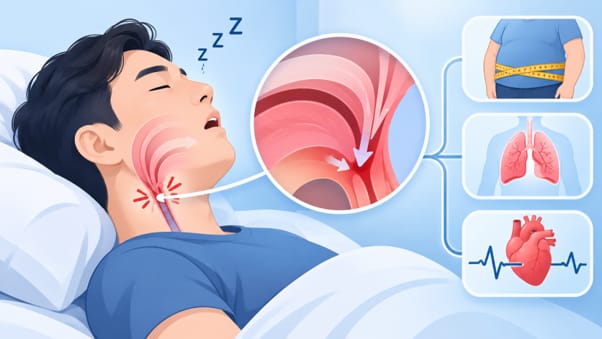
When a person falls asleep, the muscles around the throat relax. In some individuals, the upper airway becomes too narrow or temporarily collapses.

This reduces or blocks airflow, even though the person continues trying to breathe.

As a result, blood oxygen levels may decrease. When breathing resumes, oxygen saturation usually rises again.

These episodes may repeat throughout the night, sometimes without the person realising they are happening.

2. Other Sleep-Related Breathing Disorders

Central sleep apnea is another condition that may cause oxygen desaturation. Unlike obstructive sleep apnea, it occurs when the brain temporarily fails to send the usual signals to the breathing muscles.

Certain conditions can also cause breathing to become too shallow during sleep, reducing the amount of oxygen entering the bloodstream.

3. Existing Heart or Lung Conditions

People with certain respiratory or cardiovascular conditions may experience lower oxygen levels at night.

For example, some chronic lung diseases can affect the body’s ability to absorb oxygen efficiently.

Because several conditions can produce similar readings, identifying the underlying cause is more useful than focusing on one oxygen saturation number.

What Symptoms May Accompany Oxygen Desaturation During Sleep?

Oxygen desaturation does not always cause noticeable symptoms. Some people discover it only after undergoing sleep testing.

When oxygen drops are associated with obstructive sleep apnea, symptoms may include:

During sleep:

  • Loud or frequent snoring.
  • Breathing pauses noticed by a family member.
  • Gasping or choking during sleep.
  • Frequent awakenings or restless sleep.

During the day:

  • Feeling tired despite spending enough time in bed.
  • Excessive daytime sleepiness.
  • Morning headaches.
  • Difficulty concentrating or staying alert.

These symptoms do not necessarily mean that oxygen desaturation is occurring, as they may have other explanations.

However, persistent symptoms, especially when accompanied by repeated low oxygen readings, should be medically assessed.

How Is Oxygen Desaturation Measured During Sleep?

Doctors use different methods to assess overnight oxygen levels. The appropriate investigation depends on the person’s symptoms, medical history, and suspected condition.

Pulse Oximetry and Smartwatches

A pulse oximetry is a small device, usually placed on a finger, that estimates the oxygen saturation of the blood.

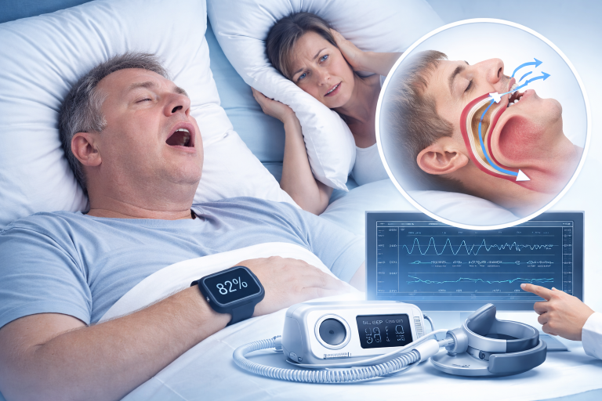
Some fitness trackers and smartwatches also provide estimated overnight oxygen readings.

Although these devices may help identify patterns, their measurements can be affected by movement, sensor positioning, circulation, and other factors.

Therefore, smartwatch readings should not be used alone to diagnose sleep apnea or determine its severity.

Overnight Sleep Studies

A sleep study provides a more detailed assessment of breathing during sleep.

Depending on the type of test, it may record oxygen saturation, airflow, breathing effort, heart rate, and other measurements.

Two terms that may appear in a sleep study report are:

  • Oxygen Desaturation Index (ODI): The number of qualifying oxygen drops per hour, based on a specified measurement threshold.
  • Apnea-Hypopnea Index (AHI): The number of complete or partial breathing interruptions per hour of sleep.

These measurements provide different information about breathing disturbances. Doctors interpret them together with the patient’s symptoms and other clinical findings.

Why Does Repeated Oxygen Desaturation During Sleep Matter?

Repeated oxygen desaturation may indicate that the body is experiencing interruptions in its normal oxygen supply during sleep.

When associated with sleep apnea, these episodes may occur alongside repeated sleep disruptions, making restful sleep more difficult.

Over time, people with untreated obstructive sleep apnea may experience persistent daytime sleepiness, difficulty concentrating, and reduced quality of life.

Obstructive sleep apnea is also associated with health problems such as high blood pressure and cardiovascular disease.

However, this does not mean every brief drop in oxygen causes long-term damage.

Clinical significance depends on the frequency, severity, and duration of oxygen reductions, along with the underlying condition and the person’s overall health.

When Should You See an ENT Specialist?

An occasional low reading may not require extensive investigation. However, recurring oxygen desaturation, particularly when accompanied by breathing-related symptoms, warrants medical attention.

Consider seeking an assessment if you experience:

  • Repeated low oxygen readings during sleep.
  • Loud snoring with witnessed breathing pauses.
  • Frequent choking or gasping during the night.
  • Persistent daytime sleepiness.
  • Morning headaches alongside disturbed sleep.

An ENT specialist may examine the nose, throat and upper airway to identify possible areas of obstruction.

Depending on the findings, a sleep study or assessment by a sleep medicine specialist may be recommended.

If oxygen desaturation is suspected to result from heart or lung disease, assessment by a GP or another appropriate specialist may be more suitable.

Seek urgent medical attention if low oxygen readings occur alongside severe breathing difficulty, chest pain, confusion, or rapidly worsening symptoms.

Can Oxygen Desaturation During Sleep Be Treated?

Can Oxygen Desaturation During Sleep Be Treated

Treatment depends on what is causing the oxygen levels to fall.

When obstructive sleep apnea is responsible, treatment aims to reduce breathing interruptions and maintain adequate airflow throughout sleep.

Possible management options include:

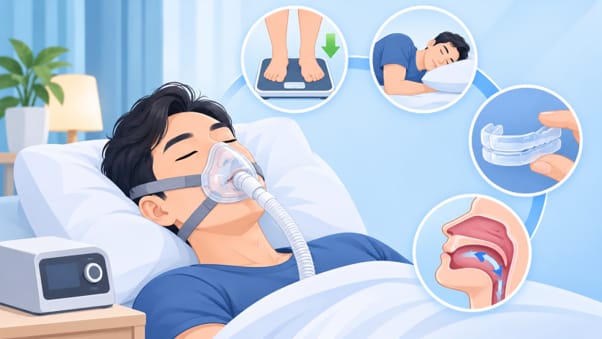
  • Continuous positive airway pressure (CPAP): A device that delivers air through a mask to help keep the upper airway open.
  • Weight management: May be recommended for individuals whose weight contributes to airway obstruction.
  • Positional therapy: May help selected patients whose breathing difficulties occur mainly when sleeping on their back.
  • Oral appliances: Specially fitted devices that help maintain airway space during sleep.
  • Upper-airway treatment: Medical or surgical treatment may be considered for selected patients with suitable anatomical problems.

Not everyone requires the same approach, and surgery is not routinely necessary.

If oxygen desaturation results from another medical condition, management will focus on that underlying problem.

Supplemental oxygen should not be used as a substitute for appropriate treatment of obstructive sleep apnea, because it does not correct the airway blockage.

Conclusion

Oxygen desaturation during sleep occurs when the oxygen level in your blood drops. Brief fluctuations can occur, but repeated or significant drops may point to a sleep-related breathing disorder or another underlying medical condition.

The pattern of these drops is particularly relevant if you snore loudly, someone has noticed pauses in your breathing, or you often feel sleepy during the day. If sleep apnea is suspected, a sleep study can help assess your breathing and oxygen levels overnight.

If you’re looking into sleep apnea treatment in Singapore, a clinical assessment can help determine whether sleep apnea is causing the oxygen drops and guide you towards treatment suited to your needs.

Frequently Asked Questions

1. Is It Normal for Oxygen Levels to Drop Slightly During Sleep?

Small fluctuations can occur naturally. However, repeated, prolonged, or substantial drops may require medical assessment.

2. Does Oxygen Desaturation Always Mean Sleep Apnea?

No. Although sleep apnea is a common cause, other breathing disorders, medical conditions, and inaccurate device readings may also explain low oxygen measurements.

3. Can Oxygen Desaturation Happen Without Snoring?

Yes. Some people experience overnight oxygen reductions without noticeable snoring, particularly when another medical condition affects breathing.

4. Can a Smartwatch Detect Oxygen Desaturation Accurately?

Some smartwatches estimate overnight oxygen saturation, but readings can vary. They should not replace professional sleep testing when a medical condition is suspected.

5. Can Oxygen Levels Improve With Treatment?

Yes. Oxygen levels may improve when the underlying cause is appropriately managed, although the response depends on the individual’s condition and treatment.

…

What Does Oxygen Desaturation Mean During Sleep? Read More »

ENT Specialist Singapore: Conditions That Need Specialist-Level Diagnosis

ENT Specialist Singapore - Conditions That Need Specialist-Level Diagnosis

Introduction: Understanding When ENT Conditions Require Specialist Diagnosis

Many ear, nose, and throat symptoms appear mild at first. A blocked nose, a sore throat, or a ringing ear can feel routine and easily dismissed.

However, some ENT conditions are more complex and require specialist-level diagnosis to prevent complications, long-term damage, or the missed detection of an underlying disease.

This article explains which conditions genuinely require assessment by an ENT specialist, as patients in Singapore rely on them for advanced diagnosis, and why specialist evaluation matters beyond general care.

What Makes ENT Conditions Different From General Illnesses

The complexity of the ear, nose, and throat anatomy

The ear, nose, and throat share intricate connections with the brain, lungs, digestive tract, and balance system.

Problems in these areas are not always isolated. A symptom in one region may reflect disease elsewhere, making accurate diagnosis critical.

Why specialist-level assessment matters

An ENT doctor Singapore residents consult is trained to identify subtle signs that routine examinations may miss.

Specialist tools, imaging, and endoscopic techniques allow ENT doctors to diagnose conditions early and accurately, reducing the risk of delayed treatment.

Depending on the location you are traveling to, you may need to arrange for veterinary appointments and obtain documentation from your pet’s veterinarian.

You may also need to provide vaccination records, a health certificate, and a pet passport.

Ear Conditions That Require Specialist-Level Diagnosis

Persistent or recurrent ear infections

Ear infections that fail to resolve or keep returning may indicate structural issues, resistant bacteria, or chronic inflammation.

An ENT assessment helps determine whether deeper infection, eardrum damage, or middle-ear disease is present.

Hearing loss and tinnitus

Sudden hearing loss, progressive hearing decline, or constant ringing in the ears should never be ignored.

These symptoms can be linked to nerve damage, inner ear disorders or systemic conditions that require specialist investigation.

Balance disorders and vertigo

Frequent dizziness or spinning sensations are often caused by inner ear problems rather than blood pressure or fatigue.

Specialist testing helps differentiate between benign balance disorders and more serious neurological or vestibular causes.

Impacted earwax with symptoms

While earwax is normal, severe blockage causing hearing loss, pain or infection requires safe removal using specialist equipment.

Improper removal methods can damage the ear canal or eardrum.

Nose and Sinus Conditions That Need Specialist Diagnosis

Nose and Sinus Conditions That Need Specialist Diagnosis

Chronic or recurrent sinusitis

Sinus symptoms lasting beyond several weeks may signal chronic inflammation or obstruction.

An ENT evaluation identifies whether structural issues, infection, or nasal polyps are preventing proper sinus drainage.

Nasal obstruction and breathing difficulty

Persistent nasal blockage is not always allergy-related.

A deviated septum, enlarged turbinates, or internal swelling may require targeted treatment identified through nasal examination.

Nasal polyps

Nasal polyps are non-cancerous growths that can significantly affect breathing and smell.

Specialist assessment determines their extent and guides medical or surgical management.

Recurrent or unexplained nosebleeds

Frequent nosebleeds may indicate fragile blood vessels, inflammation, or underlying systemic conditions.

ENT specialists can locate bleeding sources and provide precise treatment to prevent recurrence.

Throat and Voice Conditions Requiring Specialist Assessment

Recurrent tonsillitis

Repeated throat infections may affect quality of life, sleep, and overall health.

An ENT evaluation determines whether ongoing inflammation or complications justify further intervention.

Persistent hoarseness or voice changes

Voice changes lasting more than two weeks should always be assessed.

Specialist examination of the vocal cords helps identify nodules, inflammation, or more serious pathology.

Chronic sore throat and throat irritation

Ongoing throat discomfort may be linked to reflux, muscle tension, or hidden inflammation.

Accurate diagnosis ensures treatment addresses the root cause rather than symptoms alone.

Swallowing difficulties

Difficulty swallowing, especially with pain or food sticking sensation, should never be ignored.

ENT specialists assess whether structural, muscular, or neurological issues are involved.

Sleep-Related ENT Conditions That Need Specialist Diagnosis

Sleep-Related ENT Conditions That Need Specialist Diagnosis

Snoring and obstructive sleep apnoea

Loud snoring is not always harmless. In some cases, it indicates airway obstruction during sleep.

ENT assessment helps identify anatomical factors contributing to breathing interruption and poor sleep quality.

Daytime fatigue linked to airway obstruction

Persistent tiredness despite adequate sleep can result from undiagnosed sleep-related breathing disorders.

Specialist evaluation supports proper diagnosis and long-term management.

Head and Neck Conditions That Require Specialist-Level Evaluation

Neck lumps and swellings

Any neck lump persisting beyond a few weeks requires proper investigation.

ENT specialists assess whether the cause is infection, glandular disease, or something more serious.

Thyroid-related symptoms

Thyroid nodules or enlargement may present as neck discomfort or swallowing difficulty.

Specialist evaluation ensures appropriate imaging, monitoring, or intervention where needed.

Salivary gland disorders

Swelling, pain, or repeated infections in the salivary glands often require imaging and targeted treatment.

ENT assessment helps differentiate between stones, infection or inflammatory conditions.

When Primary Care Is Not Enough

Symptoms that should not be delayed

Persistent pain, hearing loss, voice changes, dizziness, or breathing difficulty should never be self-managed long-term.

These symptoms often signal conditions that need specialist tools for accurate diagnosis.

Importance of early specialist referral

Early ENT evaluation reduces the risk of complications and avoids prolonged ineffective treatment.

Timely diagnosis often leads to simpler and more effective management.

How ENT Specialists Diagnose Complex Conditions

Advanced diagnostic tools

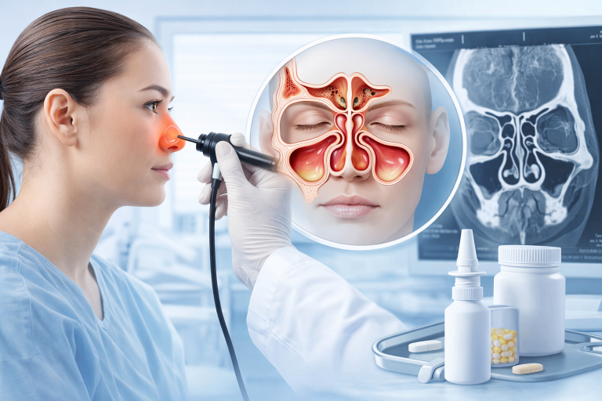
ENT specialists use nasal endoscopy, laryngoscopy, hearing tests, and imaging to visualise areas not accessible during routine examinations.

These tools allow precise identification of disease location and severity.

Individualised treatment planning

Diagnosis is not just about naming a condition.

Specialist evaluation ensures treatment plans are tailored to the patient’s anatomy, symptoms, and long-term health needs.

Conclusion: Knowing When Specialist Diagnosis Makes the Difference

A blocked nose, recurring ear discomfort, or persistent throat symptoms can be easy to dismiss, especially when they come and go. However, symptoms that persist, worsen or affect your sleep, hearing, breathing or daily activities deserve a closer look.

Consulting an ENT specialist in Singapore can help identify the underlying cause and clarify whether treatment or further investigation is needed. 

Getting the right assessment gives you a clearer understanding of your condition and a care plan suited to your needs, helping you move forward with greater confidence.

…

ENT Specialist Singapore: Conditions That Need Specialist-Level Diagnosis Read More »